
The Power of Great Homepage Design

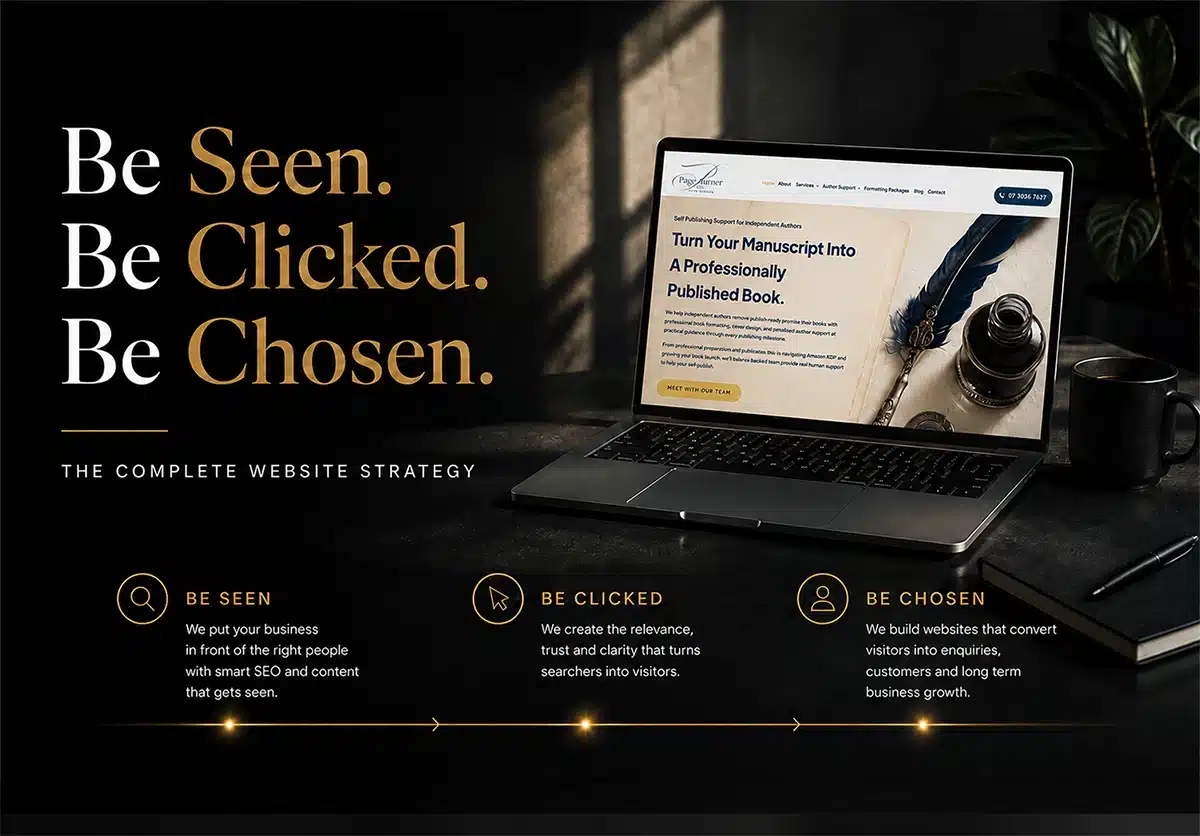
Your homepage is more than just an introduction; it’s the main sales and marketing page and the face of your brand. It welcomes visitors and gives an overview of your services. It encourages them to explore your offerings or make an enquiry. As the main gateway, it’s essential for your homepage design to capture attention and build trust. It needs to guide visitors from curiosity to commitment. Most visitors decide whether to stay within seconds, before they’ve read a single word properly. Get the homepage design wrong, and every other page on your site becomes harder to reach. Get it right, and it does the selling before your team even picks up the phone.
Understanding the Core Role of Your Homepage Design
The homepage provides a quick overview of what your business offers. It’s often the first page people see and often determines if they’ll stay. Your homepage design needs to be not just about being visually appealing. It needs to be easy to navigate, and filled with content that meets visitors’ needs. A good homepage design earns its keep in a few clear jobs. It explains what you do. It shows why you’re worth trusting. And it points visitors towards the next step. Miss one of these, and visitors are left guessing, which is when they leave.
Main Goals of the Homepage
- Capture Attention: Use bold headlines and strong visuals.
- Build Trust: Adding client testimonials, logos, or awards.
- Guide Users: Simple navigation and links to key sections.
- Encourage Enquiries or Engagement: Use calls-to-action (CTAs) that invite visitors to learn more, reach out, or get started.
When your homepage meets these goals, it sets the foundation for deeper engagement and builds confidence in your brand.
Content to Include on Your Homepage
To ensure a clear, engaging, and SEO-friendly homepage design, aim for 800–1,000 words. Here’s a breakdown of recommended content types and word counts for each section: Every section on the list below earns its place. None of it is filler, and none of it should repeat what another section already says. Think of it as a short conversation with a new visitor: what they need to know first, second, and third.
Hero Section (Top Section)
- Purpose: Capture interest immediately.
- Content: Include a short, impactful headline (10–15 words) that highlights your core benefit or value proposition, along with a CTA, such as “Get Started” or “Learn More.”
- Word Count: 10–20 words.
Service Highlights
- Purpose: Provide an overview of core services or offerings.
- Content: Add brief descriptions (30–50 words each) of your primary services, with a CTA for each, like “Discover More” or “Explore Services” to guide visitors further.
- Word Count: 100–200 words total.
About Section
- Purpose: Share your brand’s mission, values, or background.
- Content: A short paragraph (50–100 words) that gives visitors a sense of who you are and what you do.
- Word Count: 50–100 words.
Social Proof
- Purpose: Build credibility and trust.
- Content: Include testimonials, client logos, or brief case studies. Testimonials should be short (15–20 words each) to make a quick, positive impact.
- Word Count: 30–60 words total.
Secondary CTAs and Content Offers
- Purpose: Engage visitors who may not be ready to enquire or purchase immediately.
- Content: Options like “Learn More” buttons and downloadable guides offer valuable content without pressuring them to make a decision.
- Word Count: Varies based on placement; a simple button requires minimal text.
Enhancing User Experience

A smooth user experience (UX) is essential to reduce bounce rates and increase time spent on the site. Your homepage design and layout should easily guide users from one section to the next. This creates a welcoming experience, and encourages further exploration of your services. A visitor who has to think about where to click next is a visitor who is already halfway to leaving. Good UX removes that friction before it becomes a decision at all. See why user experience matters for a closer look at what that friction actually costs you.
Designing for Easy Navigation
- Simple Navigation: Use a sticky navigation bar with key links like Home, About Us, Services, Blog, and Contact.
- Logical Layout: Arrange content in a flow, starting with the hero section, followed by social proof, core services, and CTAs.
- Accessible Features: Include search bars, easy-to-find CTAs, and contact details for convenience.
These improvements make it easy for visitors to find what they’re looking for and spend more time on your site. A well-structured homepage design builds trust and helps visitors feel at ease as they explore.
Building Your Brand Identity
Your homepage design is an opportunity to show your brand identity. Elements like logo, colours, and tone help visitors feel connected to your brand. It’s where they start to form an opinion about your business. That opinion forms fast, often before a visitor reads a single sentence of copy. A homepage that looks like every competitor’s gives visitors no reason to remember you, and none to choose you. That’s the case for custom website design over anything templated.
Showing Brand Identity Through Visuals and Tone
- Consistent Messaging: Make sure your language reflects your brand’s tone, whether formal, friendly, or casual.
- Visual Appeal: Choose colours and images that fit your business style, such as innovative, trustworthy, or approachable.
- Brief Introductions: Include short descriptions that communicate your brand’s values or story.
Establishing a strong brand identity builds trust and helps visitors connect with your business from the start.
Homepage and SEO: Working Together
Your homepage is usually the highest-ranking page on your website, making it vital for SEO. Search engines evaluate page speed, bounce rates, and mobile friendliness when ranking pages. This makes an effective homepage design key to improving visibility in search results. Page speed is measured directly, through Google’s Core Web Vitals, and it’s a confirmed ranking factor. A slow-loading homepage can hold back your rankings on its own. Bounce rates and time on site work differently. Google doesn’t rank you on that data directly. But a homepage that fails to hold attention still loses you repeat visits and links over time, and that affects visibility too. Either way, the fix is the same: get the homepage design right, and both move in your favour.
Optimising for Search Engines
- Keyword Placement: Include keywords naturally in headings, descriptions, and image alt texts.
- Fast Load Speed: Optimise images and scripts to keep the page loading quickly. Slower pages lead to higher bounce rates.
- Mobile-Friendliness: Ensure your homepage adjusts seamlessly to smaller screens.
An optimised homepage boosts visibility in search results, helping attract more visitors.
Generating Leads and Conversions

The homepage is a central tool for lead generation and conversions. Effective CTAs and a well-thought-out layout encourage visitors to enquire or make a purchase. They also guide users to learn more about your services. None of this works by accident. Every CTA on your homepage should answer one question for the visitor: what happens if I click this? If they can’t answer that in a glance, they won’t click at all. The same rule applies to every CTA on the page, not just the homepage — see don’t forget about your calls to action.
Placing Engaging CTAs
- Above-the-Fold CTA: Place a prominent CTA, like “Get a Free Quote” or “Book a Consultation,” in the hero section.
- Secondary CTAs: Add extra CTAs like “Explore Services” or “Learn More” further down to keep visitors interested as they scroll.
- Social Proof: Place testimonials or client success stories near CTAs to build trust and encourage action.
Well-placed CTAs keep visitors engaged and guide them to explore further or get in touch.
Incorporating Secondary CTAs and Content Offers
Not all visitors will be ready to engage your services when they first visit your website. They may be just browsing, need more information, or a smaller commitment. So it’s smart to offer a low-commitment option to keep them interested.
Using a secondary CTA or content offer can provide the useful information they need without making the visitor feel pressured. A homepage that only asks for a phone call loses everyone who isn’t ready for that yet. A secondary option keeps the door open without forcing a decision before the visitor is ready to make one.
Examples of Secondary CTAs
- “Learn More” Buttons: Placed near service descriptions, these CTAs guide users to more information.
- Downloadable Resources: Offer a free guide or checklist to provide value upfront and keep users engaged.
- Newsletter Sign-Ups: Encourage visitors to stay connected with a CTA like “Subscribe for Industry Insights.”
By offering different ways to engage, you give visitors a reason to return to your website, even if they’re not ready to enquire or purchase right away.
Communicating Your Value Proposition
A clear value proposition on your homepage shows what sets your business apart. Ideally, users should understand your services within seconds of landing on your homepage. If a visitor has to scroll and search to work out why you’re different, the value proposition isn’t doing its job. It should be obvious before they’ve made a conscious decision to keep reading.
Creating an Impactful Value Proposition
- Concise Headline: Use a headline that shows your main benefit, like “Expert Strategies to Drive Business Growth.”
- Supporting Details: A short paragraph explaining what makes your service or product unique. Bullet points also work well.
- Visual Support: Reinforce your proposition with visuals. Use a service-related image, product image, or an infographic showing key benefits.
When visitors understand why they should choose your brand, they’re more likely to enquire or take the next step.
Optimising for Mobile Devices
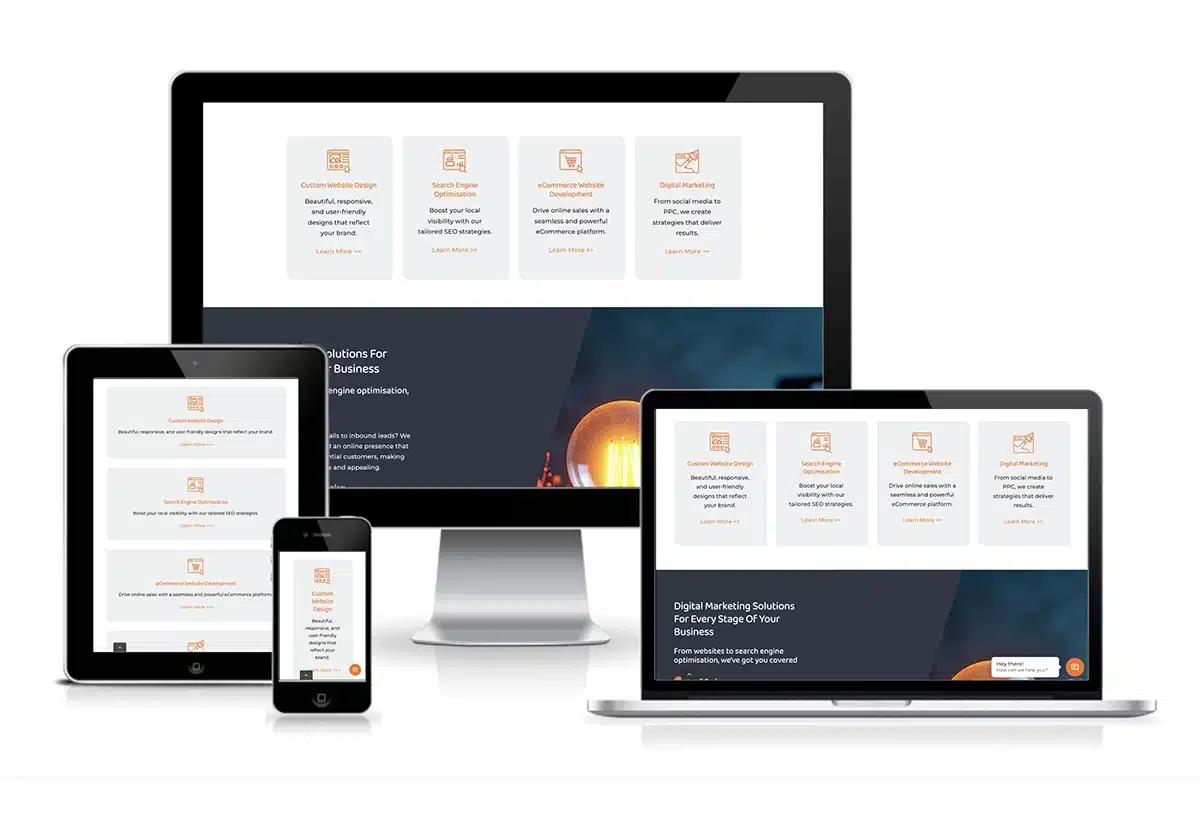
Just over half of website traffic worldwide now comes from mobile devices. So having a mobile-friendly homepage design is essential. Implementing a responsive design will ensure a smooth experience on any screen size. A homepage that works on desktop but is awkward on a phone still fails most visitors. Mobile isn’t a secondary version of your site. For most businesses, it’s the main one.
Key Elements for Mobile Optimisation
- Simple Layout: Use larger buttons, concise text, and easy-to-navigate menus.
- Fast Load Times: Optimise media and scripts to prevent slow load times. Slow pages lead to high bounce rates on both mobile and desktops.
Mobile optimisation creates a positive user experience on all devices. This not only helps to retain visitors, but boosts SEO as well.
Increasing Dwell Time and Reducing Bounce Rates
Dwell time (how long users stay) and bounce rates (how quickly users leave) are essential for measuring website success. An engaging homepage design encourages visitors to explore, stay longer, and reduces bounce rates. These two numbers tell you the same story from opposite ends. A high bounce rate and a short dwell time both mean the same thing: visitors didn’t find a reason to stay. Google doesn’t read these numbers directly. But the visitors who leave quickly are the same ones who won’t come back, share your site, or link to it. That’s what shapes visibility over time. For more on what actually keeps people on a page, see what is website engagement.
Keeping Visitors Engaged
- Interactive Content: Use videos and infographics to capture interest and keep users engaged.
- Internal Links: Guide users to related content or services to increase time on the site.
Engaging content and strategically placed internal links will encourage visitors to stay longer. Not only will it boost your SEO, but it also increases your chances of conversions.
Building Trust with Your Homepage
Trust is a key part of online engagement. A well-crafted homepage design builds credibility and shows visitors that your business is trustworthy. Visitors can’t verify your work before they enquire, so they look for signals instead. A homepage that shows real proof, not just claims, does that verification for them before they ever pick up the phone. Your About Us page can carry some of that weight too, especially the story behind the business.
Trust-Building Elements
- Testimonials and Case Studies: Showcase client feedback to provide social proof and results.
- Clear Contact Options: Include contact information or a live chat feature to encourage visitors to reach out.
- Security Badges: Display secure payment icons, privacy policies, and trust seals. This helps reassure visitors that their data is safe.
Building trust is essential for converting website visitors into customers.
Final Thoughts: The Digital Front Door of Your Brand
The homepage is the digital gateway to your business. It shapes first impressions, drives user engagement, and encourages visitors to connect with your offerings. By following these homepage design best practices, you can create a homepage that draws in visitors. It informs them of your services or products and converts site visits into customers.
Ready to make a powerful first impression?
Your homepage sets the stage for your entire website. It shapes user engagement and driving conversions. At Scorched Media, we create strategic and visually appealing websites. Websites that make a strong first impression and converts visitors into clients.
Ready to make your website stand out? Get in touch with Scorched Media today to learn how we can help you create a website that not only attracts but converts. Let us bring your brand to life online!
Frequently Asked Questions (FAQs)
Why is the homepage design crucial for my website’s success?
The homepage design is essential because it’s often the first impression visitors have of your business. A well-crafted homepage can capture attention, build trust, and guide users to take action. All of which improve engagement and conversion rates.
What are the key components of a successful homepage?
A successful homepage includes a strong headline, clear CTAs and visual elements that support your brand. Use Social proof (like testimonials) to underpin your value. Your homepage should be easy-to-navigate and be mobile-friendly. These elements will assist in reaching and engaging a wider audience.
How does the homepage design influence SEO?
The homepage design directly impacts SEO. It affects load speed, mobile responsiveness, and user engagement metrics like bounce rates. A well-designed homepage that performs well in these areas can significantly boost your site’s visibility.
How many words should my homepage have for best results?
For an effective homepage, aim for 800–1,000 words. This range provides enough space to cover essential information. Include SEO keywords, and engage users without overwhelming them.
What are common mistakes to avoid in homepage design?
Avoid cluttered layouts, overly long load times, and unclear calls-to-action. Ensure your homepage design is optimised for mobile use. Also, failing to highlight your brand’s unique value can also turn visitors away.